Start with the seat
The reading room in this essay is imagined, but its questions are ordinary. Where can a coat go? Is there light on the page? Does a chair feel like an invitation to stay, or a temporary perch on the way somewhere else?
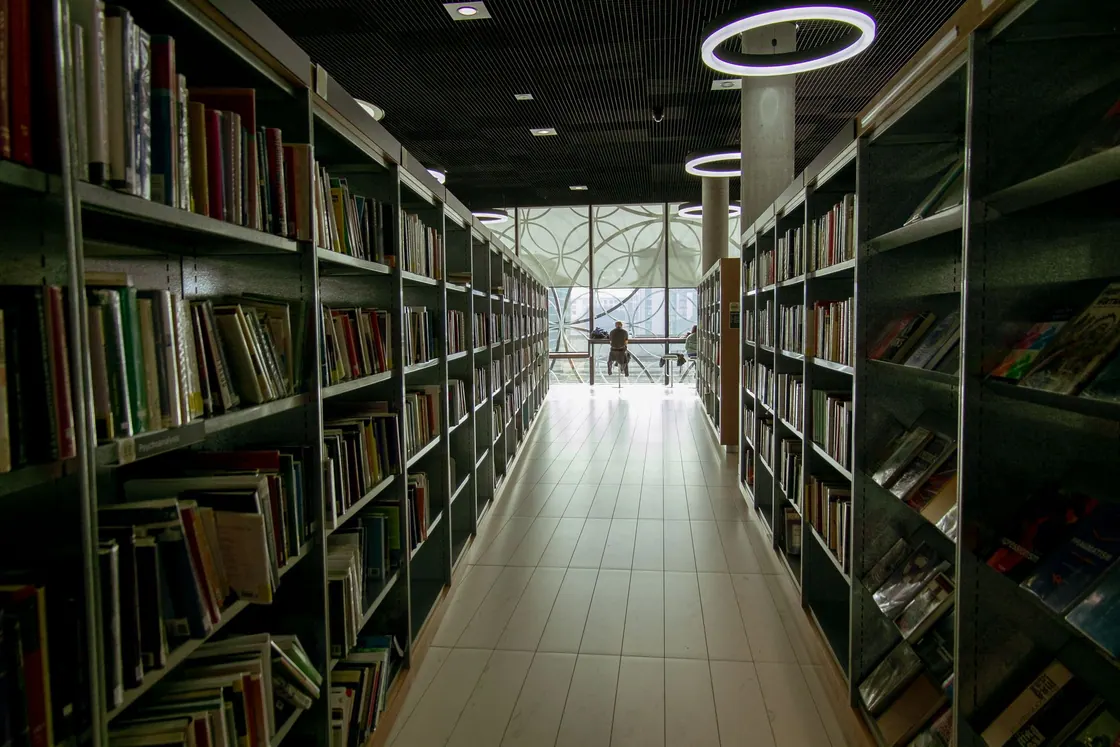
Before looking at the shelves, look at the space between them. A reading room has to make movement possible while also allowing stillness. The path to a seat should not feel as though it passes through somebody else’s private corner.
Good seating is not one single kind of chair. Some readers want a table for notes. Others want an upright seat near a window, or a quieter position away from the entrance. A room becomes more useful when it offers different ways to spend an hour.
Notice what makes staying possible
A place to read depends on details that are easy to overlook in a photograph. Clear signs explain where help can be found. A visible clock makes it possible to put a phone away. A shelf at a reachable height lets a visitor browse without making a special request.
No imagined room can stand in for verified access information. Before visiting an actual library or reading space, check its opening arrangements, entrance, facilities and any booking or membership requirements through its own published information.
The idea of welcome is practical. It can be expressed through a readable notice, a place to put a bag or a straightforward explanation of what is available. None of those needs to become a decorative slogan on a wall.
Leave with a thread to follow
Take one book rather than a stack. Read a few pages slowly enough to find a question, a phrase or an idea worth following. If the book is not for you, return it according to the room’s arrangements and try another. Browsing is part of reading, not a failure to begin.
When it is time to leave, note the title or subject that held your attention. That small thread can make the next visit easier. A reading room does not need to transform an afternoon to have served a purpose; sometimes it simply offers a useful place to be.
This is an original sample essay, with no named library, interview or reported event. The licensed library photograph illustrates a reading environment and does not document the imagined room.
Original sample writing for The Borough Journal. No real reporting, interviews, quotations or named local businesses are represented.